Hits news

What Do the Experts Say About Intelligent Tutoring Systems

Chapter 5 Is Out: What Do the Experts Say About Intelligent Tutoring Systems?

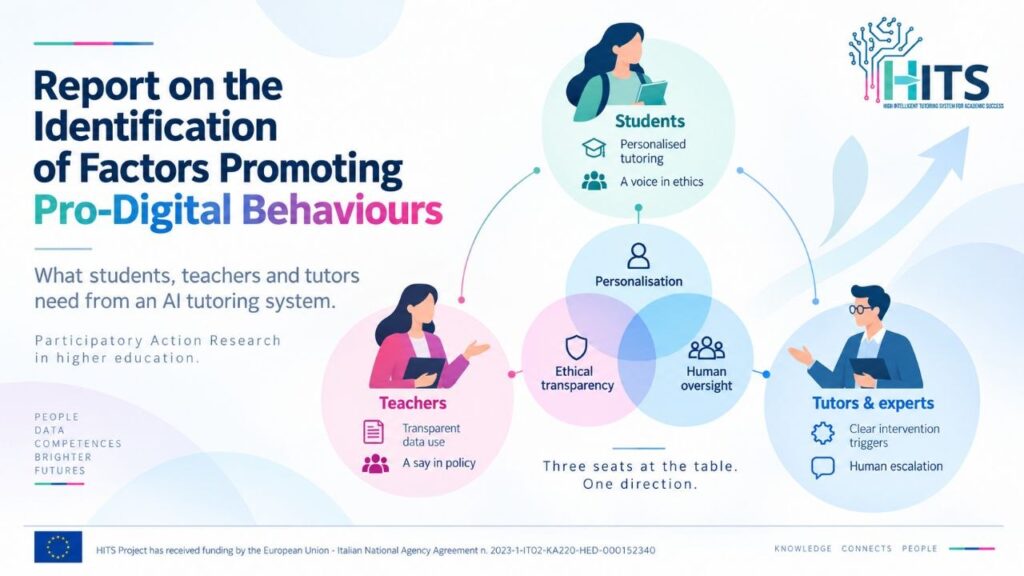
As the HITS project continues to explore the integration of Artificial Intelligence in Higher Education, Chapter 5 of our Handbook offers an in-depth look into what students, educators, and mentoring experts really think about Intelligent Tutoring Systems (ITS). Based on participatory research involving over 500 participants from 64 universities across Europe, this chapter brings together […]

Chapter 5 Is Out: What Do the Experts Say About Intelligent Tutoring Systems? Read More »

third HITS Project conference

The third HITS conference in Florence

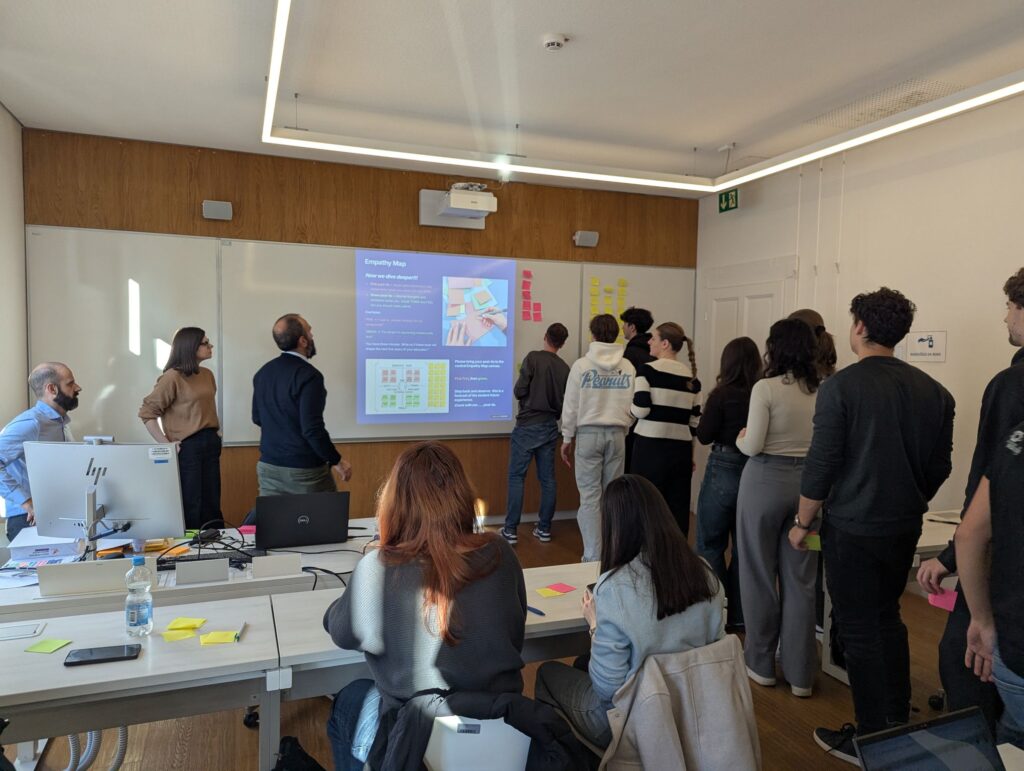
The third HITS Project conference took place in Florence on April 3-4, 2025, addressing key challenges and opportunities presented by artificial intelligence for student academic success. Partners from Università di Camerino, Centro Studi Pluriversum, Univerza v Mariboru, Universitatea POLITEHNICA din București, Universidad de Valladolid and Vilniaus universitetas / Vilnius University gathered to review project advancements,

The third HITS conference in Florence Read More »

Ethical concerns on the use of AI in academic tutoring services

As artificial intelligence (AI) becomes an increasingly influential tool in higher education, the HITS project has set out to address the ethical challenges surrounding its use in tutoring services. By crafting an ethical code, we aim to ensure AI technologies are applied in ways that are secure, inclusive, transparent, and beneficial to the diverse needs

Ethical concerns on the use of AI in academic tutoring services Read More »

The second edition of “The role of Artificial Intelligence in Higher Education”

The second edition of “The role of Artificial Intelligence in Higher Education” also took place in Valladolid at the UVAINNOVA Building on the Miguel Campus, attended by experts such as José S. Santamaría from the University of Castilla La Mancha, Andrea Marconi and Fabrizio Fornani from the University of Camerino (Italy), and Paulina Spanu and

The second edition of “The role of Artificial Intelligence in Higher Education” Read More »

AI in higher education

Chapter 4: Ethical challenges of using AI in higher education

The introduction of Intelligent Tutoring Systems (ITS) into the educational sphere raises significant ethical challenges, particularly regarding algorithmic transparency. Many AI systems operate as “black boxes,” obscuring how decisions are made and leading to concerns about trust among users. This lack of clarity can exacerbate existing inequalities in access to educational resources. It is essential

Chapter 4: Ethical challenges of using AI in higher education Read More »

data collection

Data collection is open!

A new phase of the project is on!  Students, experts in tutoring services and academic staff are invited to take part in a short survey that investigates two main things:  – What predicts academic success? How can we support students in their career development? What can tutoring services do? – Which digital tools are now used

Data collection is open! Read More »

Chapter 3: AI regulations in higher education

With the increasing integration of artificial intelligence in universities, the necessity for effective regulation becomes paramount. International organizations such as UNESCO and the OECD are proactively working to develop guidelines that ensure ethical and responsible AI usage in educational contexts. These regulations tackle pressing issues like student data privacy, algorithmic accountability, and equitable access to

Chapter 3: AI regulations in higher education Read More »

intelligent tutoring systems

Chapter 2: How to implement intelligent tutoring systems in higher education?

The implementation of Intelligent Tutoring Systems (ITS) within European universities is fundamentally reshaping the way students engage with learning materials. These innovative systems provide tailored educational content while actively working to mitigate dropout rates through timely interventions for at-risk students. Utilizing predictive analytics, ITS can identify early warning signs of academic struggle, enabling educators to

Chapter 2: How to implement intelligent tutoring systems in higher education? Read More »

Scroll to Top